瀧田家概要(英語版) | 常滑市指定有形文化財 廻船問屋 瀧田家
開館時間:9:30~16:30
休館日:水曜(祝日の場合は開館)/年末年始
新着情報
- 常滑市指定有形文化財 廻船問屋 瀧田家
- 新着情報一覧
- 瀧田家概要(英語版)
瀧田家概要(英語版)
2026.03.31
Takita Family Residence and Dendenzaka
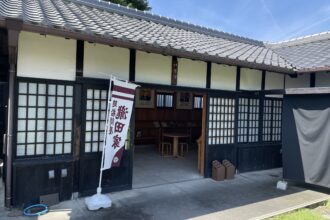
The restored building that you see below is the former property of one of Tokoname’s prosperous merchant families, who lived and conducted business at the site from around 1850 until the twentieth century. The Takita family built considerable wealth through the shipping trade, later shifting business into the burgeoning Meiji-era (1868–1912) cotton trade.
Before land reclamation, this spot afforded clear views of Ise Bay. In the days of the family’s shipping business, a junior employee of the Takita shipping business was posted here as lookout, ready to run down the steep path to the residence with the news that their goods-laden vessel had safely arrived in port. As a result, the slope was dubbed “Dendenzaka” (“news slope”).
The residence is open to the public and features displays on the family and company’s history.
Admission fee: Adults ¥300 (free for Junior High School students and younger)
Hours: 9:30 am to 4:30 pm.
Closed: Wednesdays, Year-End and New Year holidays.
Takita Family Residence
Constructed around 1850, the Takita Family Residence was restored in April 2000, and is recognized as a Tokoname Municipal Tangible Heritage site. During the Edo period (1603–1867), the Takita family built their family fortune in the shipping trade. Their Bishū kaisenbune, cargo ships traded products and carried freight between Ise Bay, other parts of central Japan, and the capital, Edo.
The family owned two trading vessels in 1842. By 1863, they owned four ships: the Tsumishu-maru, Hōshū-maru, Eishu-maru, and Fukushū-maru. All were bezaisen ships, a type of large trading ship. The origins of the name bezaisen are unclear. It may simply have meant “shipping trader’s boat,” or its name may refer to the goddess Benzaiten, a protective deity of seafarers.
The Takita family’s bezaisen vessels could carry loads between 105 and 150 tons and made the round trip from Tokoname to Edo five times a year on average. When the winds were favorable, the one-way voyage took between seven and ten days. The crew was small, with only 9 men operating the 120-ton cargo ships.
The Takita family not only dealt in freight but also were actively involved in the buying and selling of goods that they collected along their shipping routes. Typically, the Edo-bound ships would carry sake, sugar, dried and shredded daikon, and Tokoname’s decorative and commercial ceramic pieces and roof tiles. On their return voyage, they would bring agricultural products such as soybeans and wheat, fish manure, and other items that were scarce or unavailable in their homeport area.
Over time, the company became involved in a wide range of other commercial activities, including ship brokering, financing, and warehousing. Its success made a significant contribution to the prosperity of Tokoname and the Chita Peninsula as a whole. However, as Japan opened its borders during the Meiji period (1868–1912), the shifting currents of international trade could no longer be ignored, and the Takita trading ships returned to port forever. In 1872, the company began to shift into cotton trading before finally exiting the shipping business in 1885.
Memorabilia and Displays
The Edo-era building features memorabilia and artifacts from the Takita family history, including information on the Takita business and its vessels, a scale model of a bezaisen ship, calligraphy, and signage related to the company. Part of the exhibit examines the relationships between the sailors and the region’s protective Shinto and Buddhist shrines and temples. There are also twentieth-century photographs of Tokyo University Professor Emeritus and Francophile Takita Fumihiko (1930–1996) and his mother, actress Hanayagi Harumi (1896–1962).
A separate room is dedicated to memorabilia of Takita Ayuchi (1932–2005), a pioneering Tokoname businesswoman, Japan Airlines’ first female executive, and its PR director during The Beatles’ visit to Japan.
CONTACT お問合わせ

着付け体験はご利用日の3日前までにお申し込み下さい。